

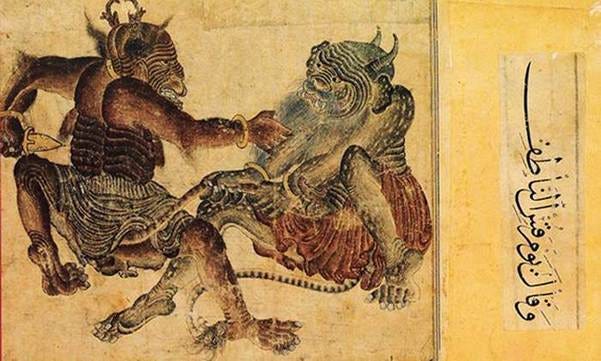
To the Western world, the word “Jinn” often evokes two starkly contrasting images: either the whimsical, wish-granting entity bound to a brass lamp in Aladdin, or the malevolent, disembodied demons popularized by Western folklore and horror cinema. However, within the rural landscapes of Anatolia, the Jinn are traditionally understood as a parallel society, an invisible populace that shares the same geography, utilizes the same natural resources, and abides by its own distinct laws.
The nature of this belief system is reflected within the etymology of the word itself. Derived from the Arabic root cenn, the term translates to “that which is concealed, covered, or hidden from sight.” For centuries, Anatolian culture has interwoven Islamic theology with regional pre-Abrahamic traditions, forming a complex socio-cultural framework around these entities. Known colloquially as the “Invisible Neighbors” (İns u Cinn), their role in local folklore offers a significant window into how human communities have historically navigated the boundaries between the known and the unexplained.
