

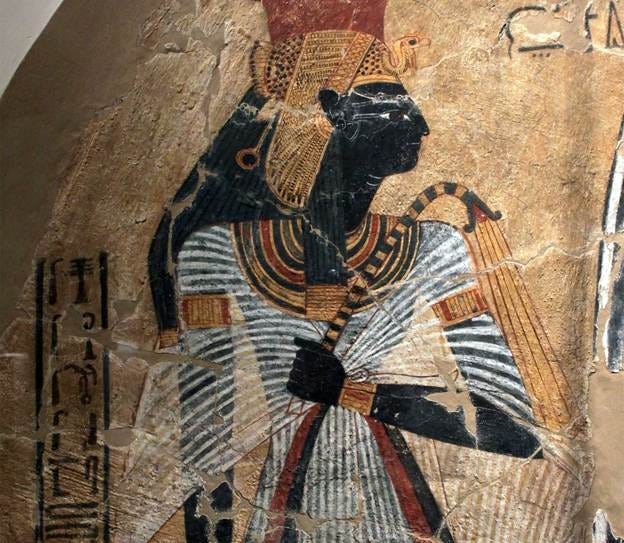
The tombs of ancient Egypt are full of figures dressed in clothing so fine it appears to reveal everything beneath it. Queen Nefertari stands before Hathor in a long, sheer white gown. The nobleman Sennedjem and his wife move through the Fields of Aaru in diaphanous linen. King Amenhotep I receives offerings in robes so delicately pleated they seem to dissolve against his skin. For anyone who has walked through the Valley of the Queens or studied New Kingdom tomb art, the conclusion seems obvious: ancient Egyptians wore see-through clothes.
But what if that conclusion, repeated in documentaries, travel guides, and popular history books for decades, is wrong? What if those transparent robes were never about clothing at all, and every fold, every sheer layer of linen painted onto those tomb walls was communicating something else entirely? Something that, once understood, changes the way you look at every piece of ancient Egyptian art you have ever seen.
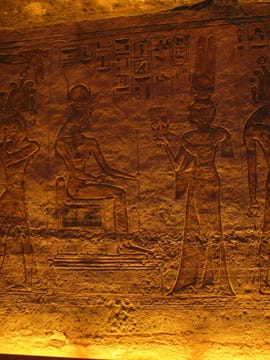
The reason for these transparent clothes is not because they were the clothing of the general Egyptian population in ancient times, but there are (2) important reasons.

