

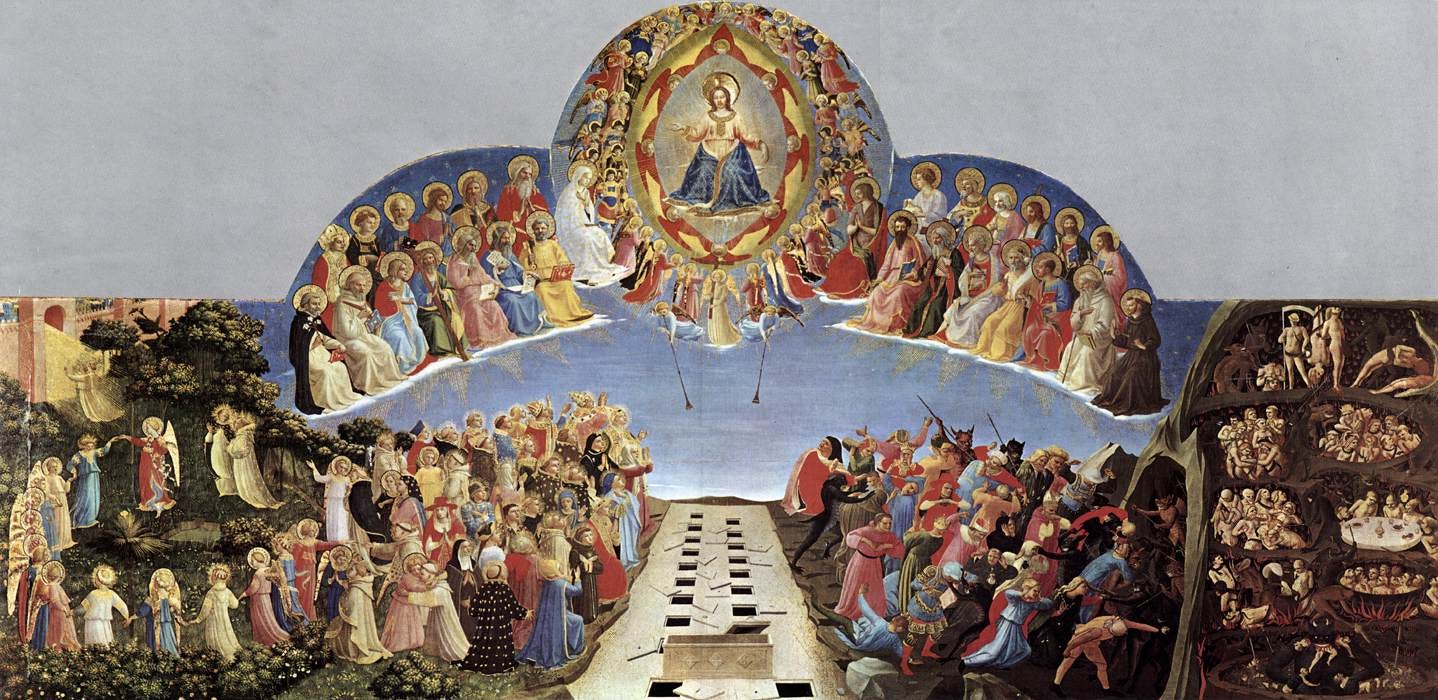
The Apocalypse of Peter was one of the most popular Christian visions of the afterlife in the centuries before the canon of the Bible settled into the form most churches know today. The scholar M. R. James, who translated it in 1924, described it as a book that “ranked next in popularity and probably also in date to the Canonical Apocalypse of St. John.”
In it, Peter is shown the fate of souls after death. The righteous live in a country of light and blossoms that never fade, while sinners suffer punishments matched to their sins. Blasphemers hang by their tongues above fire, persecutors are burned up to their middle while worms devour their entrails, and the souls of murder victims look on and declare the judgment of God righteous.
For a time, the book seems to have stood close to Scripture in some places. Clement of Alexandria, writing around 200 AD, quoted it with the words “Wherefore also Peter in the Apocalypse saith.” The Muratorian fragment, a Latin list of accepted books usually dated to the late second century, names it directly after the Revelation of John, though with a telling reservation that is quoted in full below.
In the fifth century, the church historian Sozomen reported that it was “still read in some of the churches of Palestine” on the day of the Lord’s passion. However, the same writer also said it had been “considered altogether spurious by the ancients.” Between those two statements lies most of the book’s history.
For centuries, readers knew the text mainly through scattered quotations in early Christian writers. Then, in the 1880s and in the early 20th century, Greek and Ethiopic copies came to light in Egypt and in European libraries. They allowed scholars to read the vision itself and to see why it impressed some readers and troubled others.
So how close did this vision of heaven and hell really come to sitting in the Bible, and why did the churches finally leave it out?

