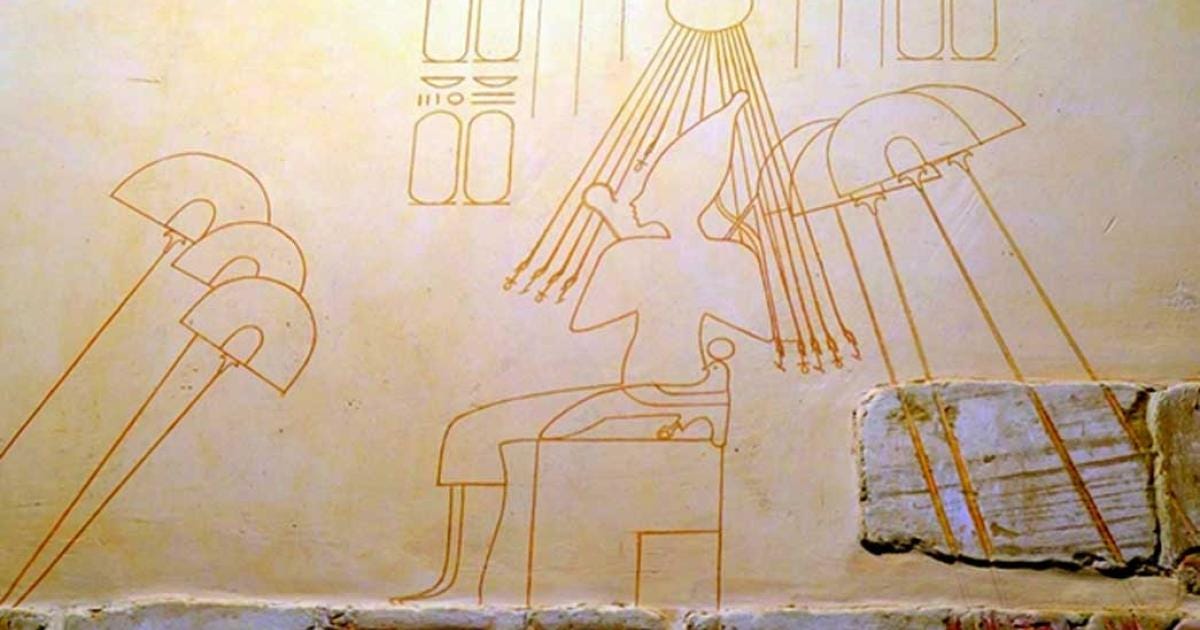
Ancient Egypt was a land of great mystery and intrigue. Her secrets were not easy to comprehend, even if they were hidden in plain sight. It still takes a keen eye to understand the deep philosophy embedded in not just the wealth of texts and inscriptions, but everyday objects too.
A Tut Mystery in Chicago
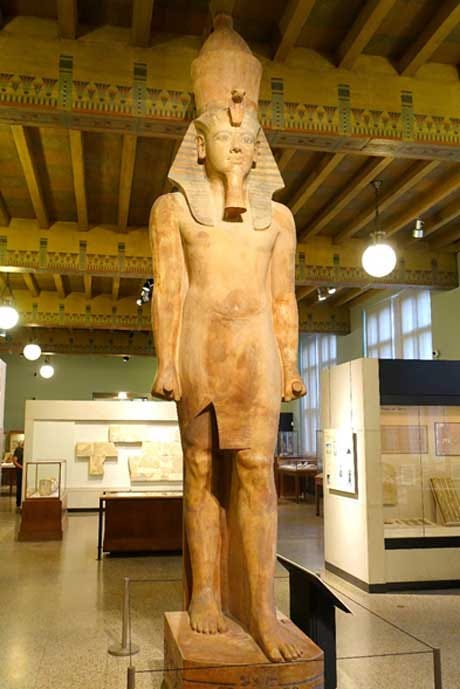
A massive statue, traditionally thought to depict King Tutankhamun, was one of a pair excavated by the Architectural Survey of the Oriental Institute, Chicago, under the directorship of Dr. Uvo Holscher; its companion is now located in the Egyptian Museum, Cairo. It was discovered in 1931 near Medinet Habu in the ruins of the memorial temple of the person who assumed power next, Pharaoh Aye. The thorny question of the existence of a mortuary temple of Tutankhamun thus arises.
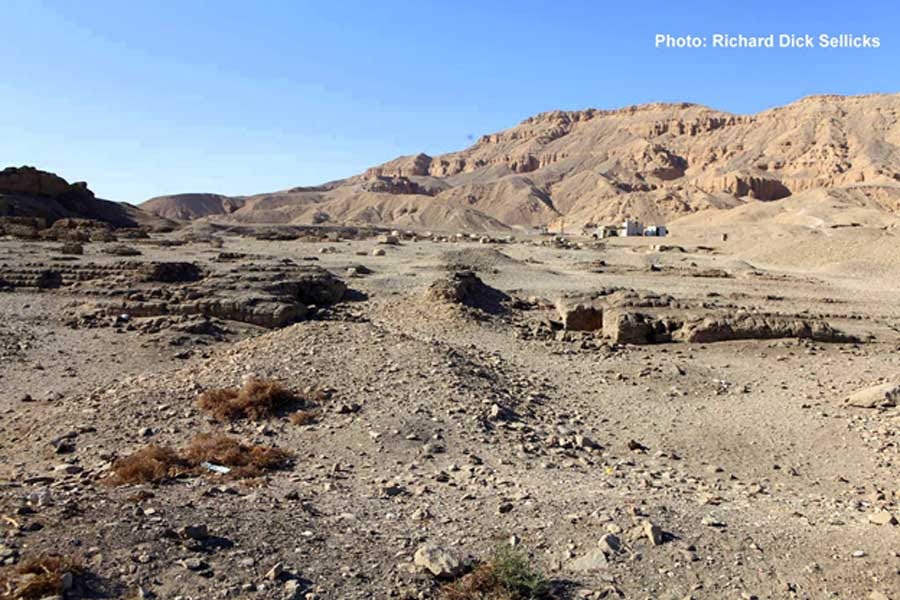
As the ruler, Aye is said to have carved his name over that of his predecessor. However, after he died following a brief reign, the military commander Horemheb came to the throne, usurped this statue, chiseled out Aye’s cartouches on the back pillar, and had his own name inscribed on it instead. This is the story much of the world believes.
The difficulty in understanding who is depicted on this royal statue arises because the face of Tutankhamun is not remotely uncommon. The only problem is that they are universally renamed; almost exclusively with that of Horemheb. Renowned Amarna expert, Dr Aidan Dodson shared his insights with the present writer:
“There are now significant doubts as to whether they ever belonged to Tutankhamun - the palimpsest texts are of Ay, and it seems far more likely that they were taken over in-situ with the temple, rather than transferred from Tutankhamun’s never-located memorial temple.”
Agreeing with this postulation, British Egyptological researcher, Dylan Bickerstaffe says:
“It is just the youth of the statues that led to the attribution to Tutankhamun. They don’t actually look like him. Everything else found at the Ay/Horemheb temple was of those two. There are areas of flooring etc., surviving in situ at the site. It may have been taken over from Tutankhamun, but Horemheb did a good job of usurping the monuments of his predecessors, and columns from the location clearly carry his names. The statues could be Tutankhamun, but they are not ‘typical’ and could be Ay, or, of course, Horemheb.”
However, differing with this view, leading Egyptologist, Dr Peter Lacovara states;
“Ray Johnson examined the statues and thinks that they represent Aye, not Tutankhamun, but the quarrying may have been begun by Tutankhamun for the temple which was founded by him.”
Can the truth here be found?