

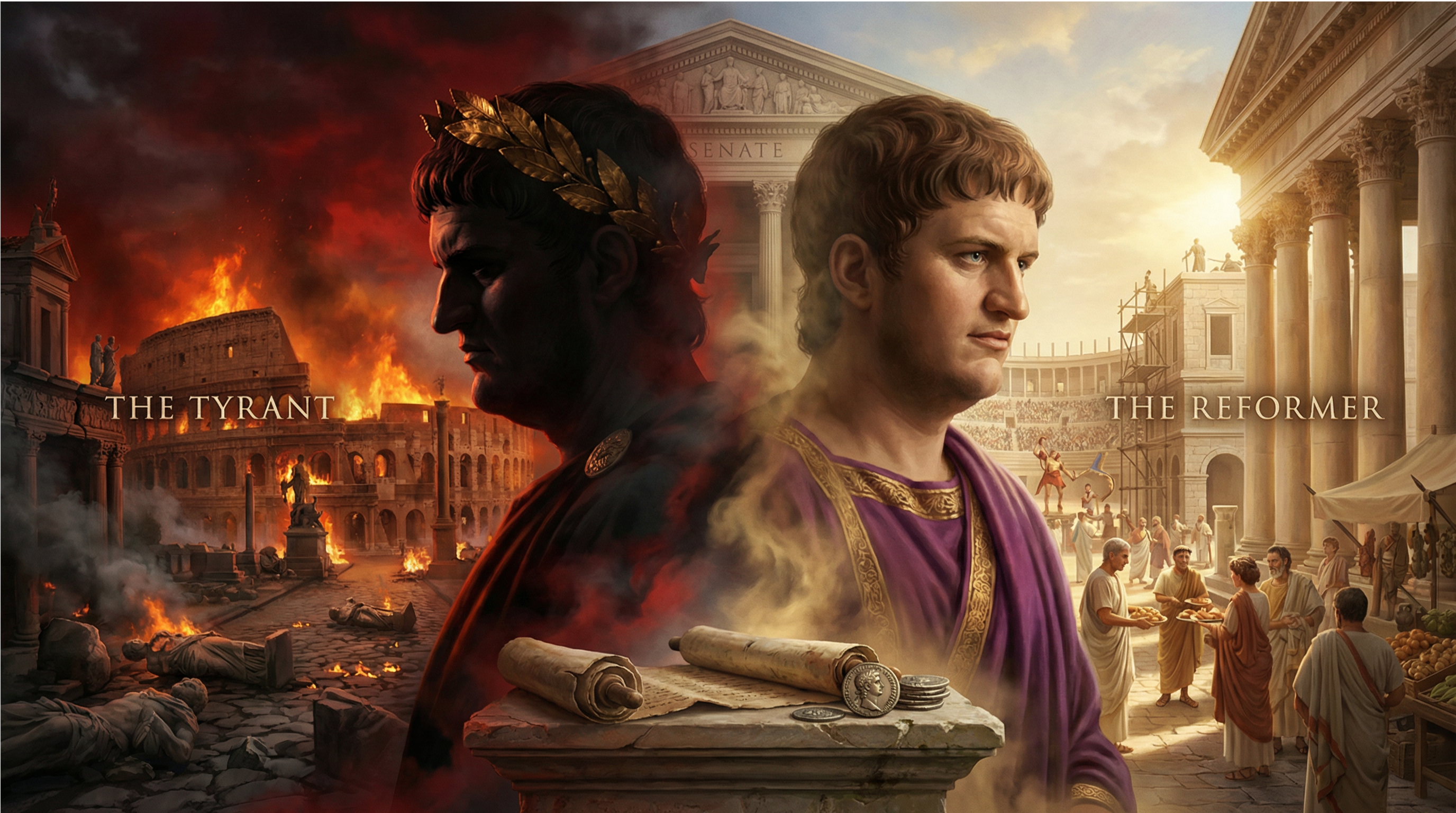
For centuries, the Roman emperor Nero has been well chronicled for his cruelty. Stories about his madness include divorcing his first wife before having her beheaded and then bringing her head to Rome for his second wife, having his own mother executed, as well as castrating a former slave before marrying him.
However, despite the numerous charges against him by ancient writers, there is also evidence that Nero enjoyed some level of popular support. “He let slip no opportunity for acts of generosity and mercy, or even for displaying his affability,” wrote the otherwise critical Suetonius. More recently, a poem dated about two centuries after Nero’s death depicts him in an even more a positive light by proclaiming Nero a man “equal to the gods,” suggesting many individuals in the Roman Empire held a favorable view of him long after his death.
After Nero ordered his mother to be executed in 59 CE due to her interference in his personal life and political policies, he is widely portrayed a becoming more of a tyrant, spending excess amounts of government funds on personal indulgences.
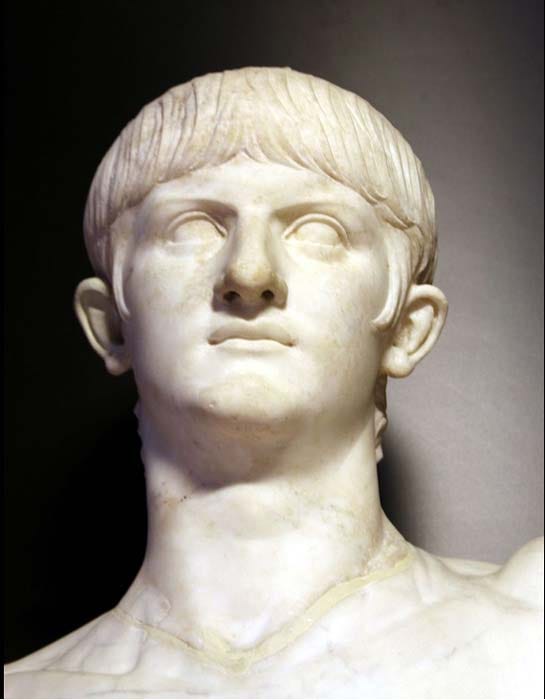
It was believed for a long time that Nero started the great fire in 64 CE to make room for his new villa. The impression one is left with from this story is that his mother, Julia Agrippina (Agrippina the Younger), may have been the only steadying influence he had. But is this true?

