

In 367, Alexandria’s bishop Athanasius sent churches in Egypt a list of books for public reading. The Book of Enoch was not on it. Yet Jude, a letter preserved in the New Testament, calls words attributed to Enoch a prophecy. The wording closely follows 1 Enoch 1:9.
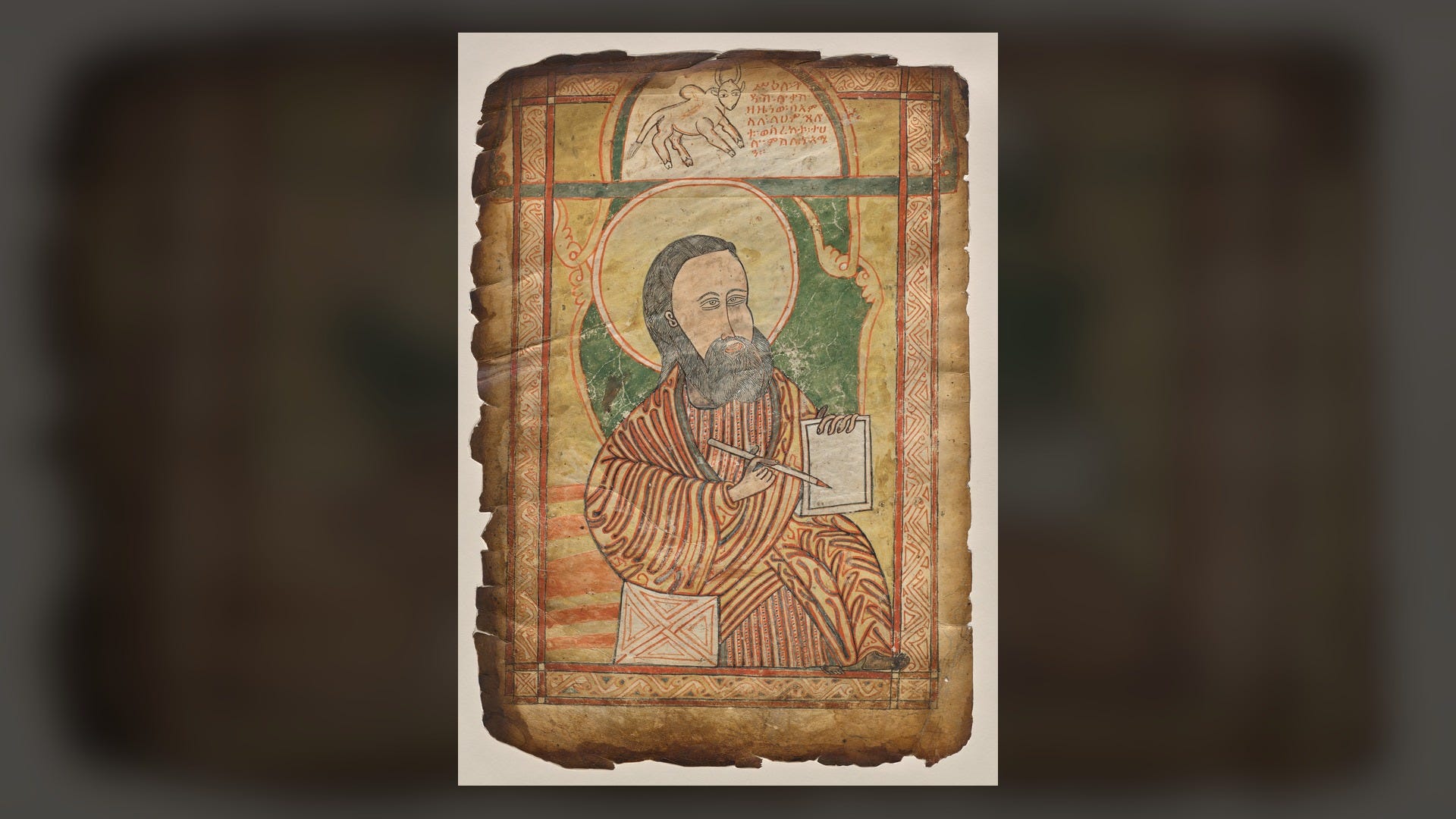
That missing book tells of two hundred angels descending on Mount Hermon. It survives in fragments from Qumran. Ethiopian churches still receive it as Scripture.
Why did a text that shaped early Jewish and Christian thought remain outside most biblical canons? The answer has no single villain. Communities copied, read, disputed, and ranked books across many generations. Some loved the Watchers story. Some cited it. Some refused to bind it for public reading. The Book of the Watchers, the oldest major part of 1 Enoch, was caught inside that long argument.
