

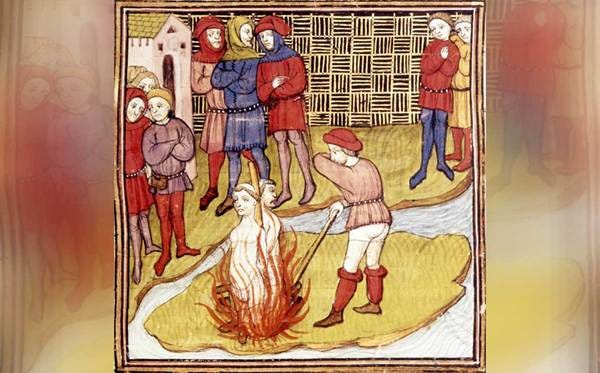
On the morning of 13 October 1307, royal officers across France opened sealed orders from King Philip IV. Their instructions were blunt: arrest the Knights Templar in the king’s realm, seize their property, and prevent them from warning one another.
The operation was devastatingly effective. Templar houses were entered, brothers were detained, their leaders, including Grand Master Jacques de Molay, were taken into custody. The order that had once protected pilgrims in the Holy Land and moved wealth across Europe now faced accusations so shocking that they could turn public opinion against it almost overnight.
The charges included denial of Christ, spitting on the cross, obscenity during initiation, idol worship, and secret rites. Eventually, the accusations multiplied into an immense catalogue of alleged heresies.
It sounds like the beginning of a supernatural legend, right? It is often told that way. The date was a Friday the 13th, and modern retellings regularly claim that this was the day that cursed the number forever…
But Friday the 13th did not become an unlucky date because of the Templars. That connection is much later. The real horror was more recognisable, a powerful ruler moved against a wealthy institution when that institution had become politically inconvenient, financially tempting, and difficult to control.

