Ancient Origins UNLEASHED

Ancient Origins UNLEASHED

Banduddu: Solving the Mystery of the Babylonian Container

Ancient Origins UNLEASHED's avatar
Ancient Origins UNLEASHED
Jan 23, 2026
∙ Paid
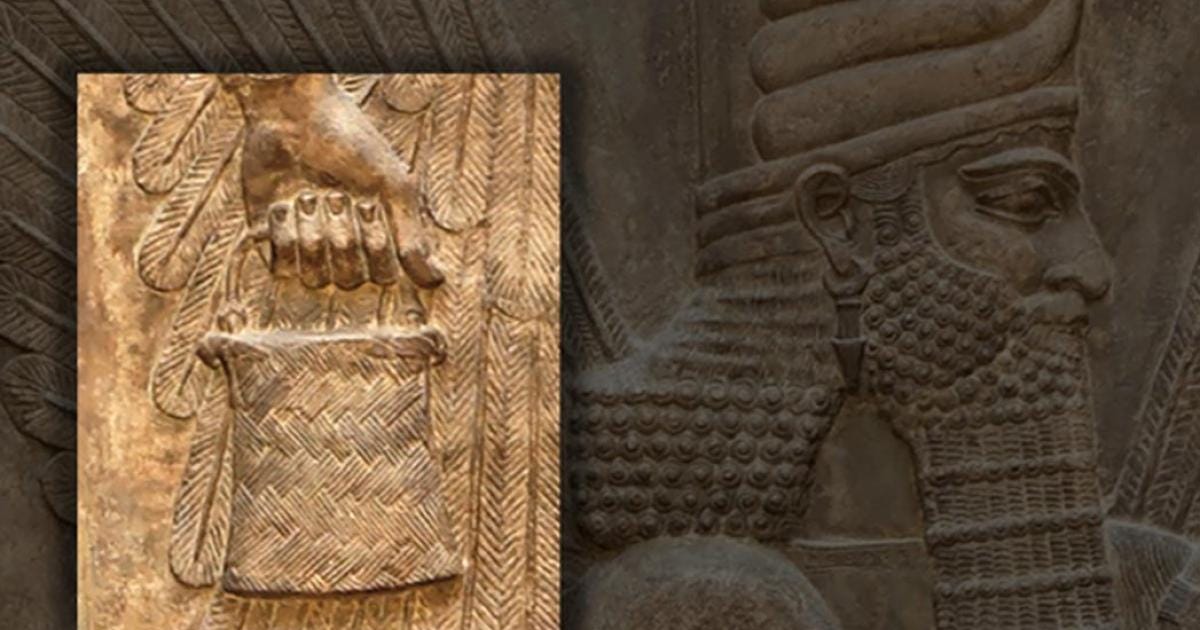
Inset; Bucket/ banduddû from the north wall of the Palace of king Sargon II, and a four-winged genie in the Bucket and cone motif.
Top Image: Inset; Bucket/ banduddû from the north wall of the Palace of king Sargon II, and a four-winged genie in the Bucket and cone motif. (Public Domain)

One of the great riddles in Mesopotamian sacred art concerns the image of anthropomorphic winged figures called Apkallu holding a mullilu (tree fruit) in one hand, and a banduddû — a container — in the other. The purpose of this container is rightly mysterious. It appears throughout Sumer and Babylon, and half a world away in Yucatan; six thousand years earlier, it was carved in relief upon Pillar 43 at Gobekli Tepe, one of the world’s oldest standing stone enclosures. But what exactly was the purpose of this container? A look at cross-cultural symbolism in the images provides an answer.

This Substack is reader-supported. To receive new posts and support our work, consider becoming a free or paid subscriber.

User's avatar

Continue reading this post for free, courtesy of Ancient Origins UNLEASHED.

Or purchase a paid subscription.
© 2026 Ancient Origins · Privacy ∙ Terms ∙ Collection notice
Start your SubstackGet the app
Substack is the home for great culture