

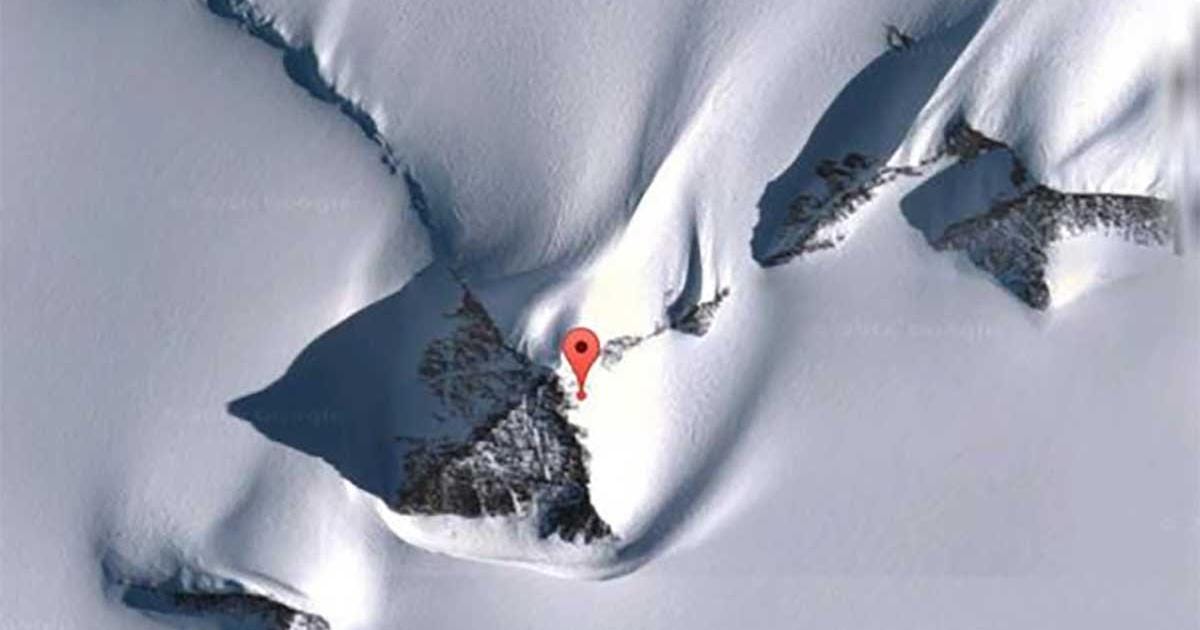
Part I of the Polar Nexus Series: Reconstructing the ancient world that existed long before recorded history and left its fingerprints on every early civilization.
For more than a century Antarctica has been treated as a blank space on the historical map, a continent defined by ice, isolation, and absence. Yet the deeper we look, the more that “absence” appears to be a constructed idea rather than a reflection of reality. Geological records show that Antarctica once held forests, rivers, and stable climates capable of supporting complex life. Ancient maps appear to depict its coastline without ice. And early civilizations around the world preserve myths of a distant progenitor culture that rose and fell long before their own.
This is the starting point of the Polar Nexus Theory, a framework that examines Earth’s forgotten epochs by tracing the patterns that survive in archaeology, mythology, and scientific anomalies. Part I of this series explores one central question: did a civilization exist in Antarctica before the last global freeze, and if so, how did its memory radiate outward into the first human societies?
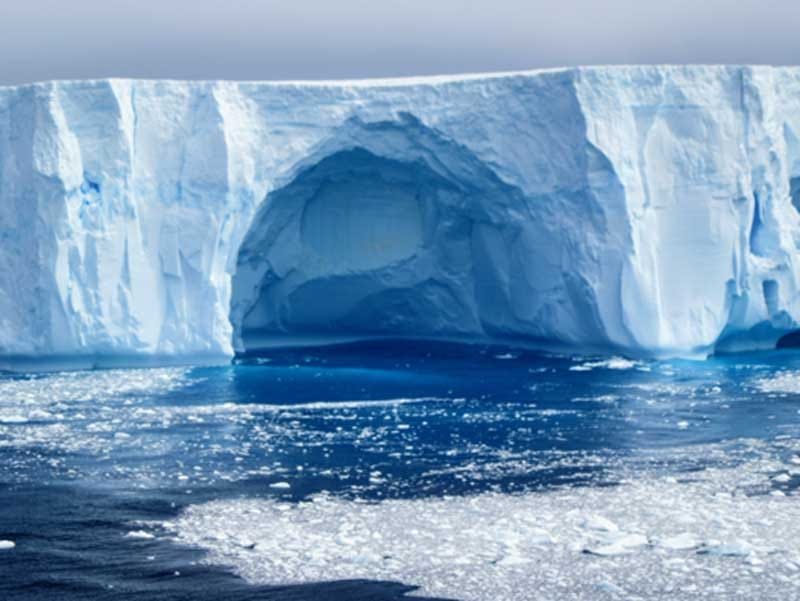
A Continent That Was Not Always Frozen
To understand Antarctica’s potential role in early human history, we first need to break away from the modern assumption that the continent has always been an uninhabitable wasteland. Geological cores reveal pollen, sediment, and chemical signatures consistent with forests and open coastlines. Studies published by international research teams show that as recently as a few million years ago, parts of Antarctica resembled modern New Zealand more than the frozen desert we know today.
Even during the last 20–30 thousand years, the ice coverage shifted dramatically. Rapid climatic events reshaped coastlines, created new glacial barriers, and erased entire regions beneath hundreds of meters of ice. In any other part of the world we would interpret such instability as a potential cause of cultural displacement or societal collapse. When applied to Antarctica, the same logic invites a different question: if a civilization existed there during a warmer period, what traces of it would survive?
The mainstream answer is that nothing would remain. But when we examine historical anomalies, ancient memory traditions, and global architectural parallels, that confidence begins to weaken.

